
Causes of open bite and how to correct it :
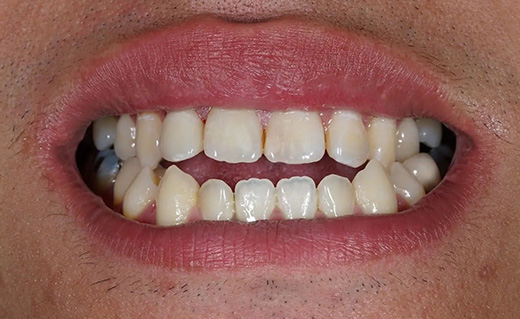
The term «open bite» is used to describe the misalignment of teeth resulting in an uneven bite. In an open bite, the upper and lower teeth do not properly touch the front or back of the mouth even when the jaw is fully closed. This creates an unwanted gap between the top and bottom of your teeth, resulting in an uneven bite every time you close your mouth.
An open bite can be classified into different types depending on the degree of misalignment of your teeth at the front or back of your mouth. There are various orthodontic treatments available to repair an open bite, including corrective jaw surgery, tooth removal, replacement of missing teeth, braces, clear aligners and more. We'll take a closer look at the types, causes, symptoms and treatment of an open bite problem.
Types of open bite
Internal occlusion
In an inside bite, the upper and lower front teeth do not touch when you close your jaw completely. In this type of bite, the upper and lower front teeth are tilted slightly outwards, leaving plenty of space at the front of the mouth.
Posterior occlusion
In a posterior bite, the upper and lower back teeth don't touch when you close your jaw completely. In this type of bite, only the front teeth come into contact when the jaw closes, leaving a gap between the back teeth.
Incomplete occlusion
In an incomplete bite, only the upper front teeth don't overlap properly when you close your jaw. In this type of bite, only the upper front teeth leave a gap in the mouth when you bite.

Types of open bite
Internal occlusion
In an inside bite, the upper and lower front teeth do not touch when you close your jaw completely. In this type of bite, the upper and lower front teeth are tilted slightly outwards, leaving plenty of space at the front of the mouth.
Posterior occlusion
In a posterior bite, the upper and lower back teeth don't touch when you close your jaw completely. In this type of bite, only the front teeth come into contact when the jaw closes, leaving a gap between the back teeth.
Incomplete occlusion
In an incomplete bite, only the upper front teeth don't overlap properly when you close your jaw. In this type of bite, only the upper front teeth leave a gap in the mouth when you bite.
Symptoms of open occlusion:
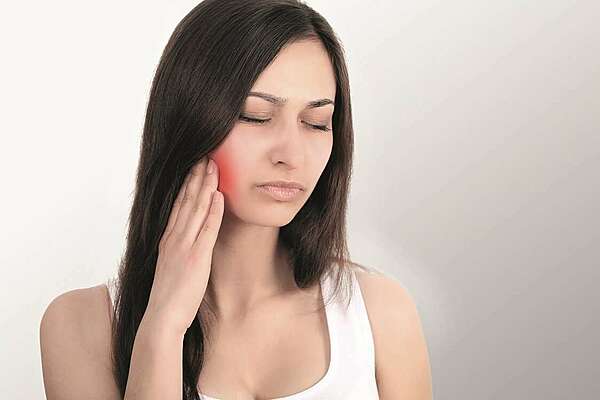
1. Discomfort or pain during chewing
Misalignment of the jaw can cause discomfort or pain when biting and chewing food.
2. Difficulty eating
Occlusions can lead not only to difficulty in closing the mouth, but also in biting, chewing and eating. As a result, any movement of the mouth can become painful and uncomfortable.
3. Speech problems
People with an occlusion can often have speech disorders, such as lisping (or sigmatism) and unclear articulation.
Symptoms of open occlusion:
1. Discomfort or pain during chewing
Misalignment of the jaw can cause discomfort or pain when biting and chewing food.
2. Difficulty eating
Occlusions can lead not only to difficulty in closing the mouth, but also in biting, chewing and eating. As a result, any movement of the mouth can become painful and uncomfortable.
3. Speech problems
People with an occlusion can often have speech disorders, such as lisping (or sigmatism) and unclear articulation.
4. Mouth breathing
All these problems of mouth movement with an occlusion can lead the patient to breathe through the mouth. This often becomes a habit over time.
5. Tooth misalignment
Of course, misalignment of the jaw or teeth can occur when a bite is present or developing.
6. Biting the inside of the cheeks
Accidentally biting the inside of your cheeks can also be a sign of a bite.
Why do I need to correct an occlusion?
Open bite occurs when the upper and lower teeth don't touch properly when the mouth is closed. This can lead to :
Difficulty biting or chewing certain foods
Diction and pronunciation problems
Abnormal wear of certain teeth
An aesthetic impact that can undermine self-confidence
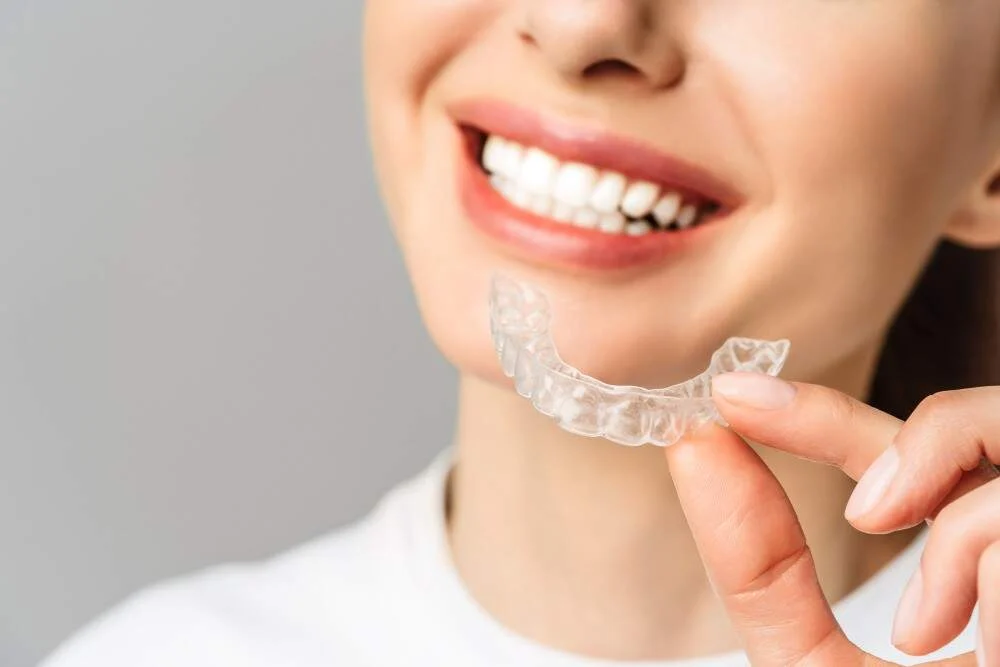
The solution? Our custom-made transparent aligners, with a shape memory, These are used to gradually close the open bite.
They gently realign your teeth, so you can discreet, comfortable and efficient, without the drawbacks of metal appliances.
Why do I need to correct an occlusion?
Open bite occurs when the upper and lower teeth don't touch properly when the mouth is closed. This can lead to :
Difficulty biting or chewing certain foods
Diction and pronunciation problems
Abnormal wear of certain teeth
An aesthetic impact that can undermine self-confidence
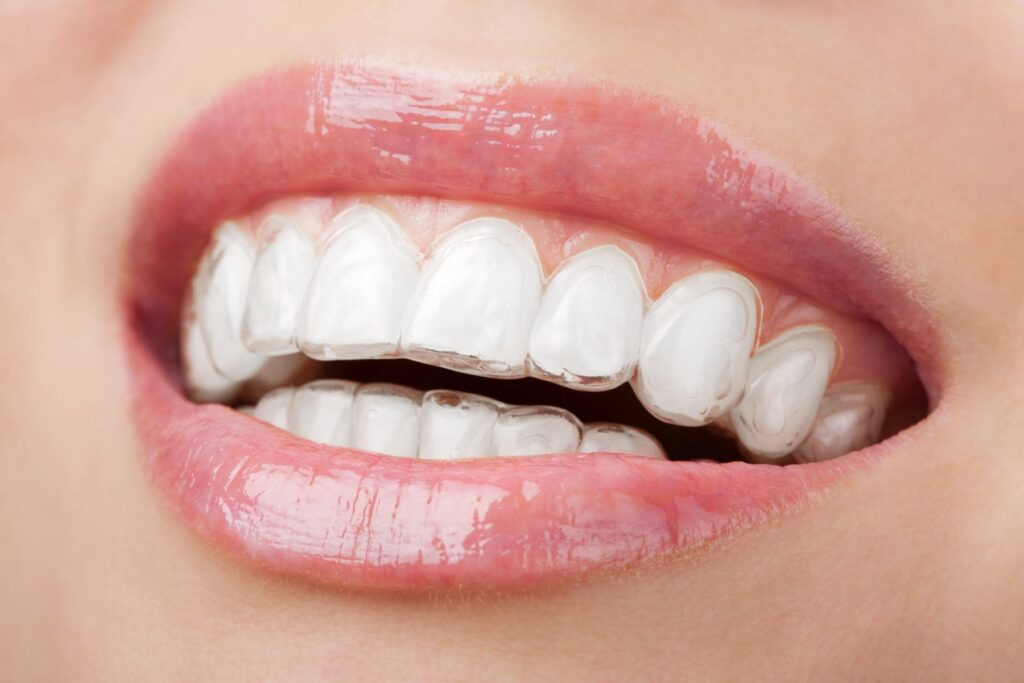
The solution? Our custom-made transparent aligners, with a shape memory, These are used to gradually close the open bite.
They gently realign your teeth, so you can discreet, comfortable and efficient, without the drawbacks of metal appliances.