



Tooth gap treatment : How to repair your diastema?
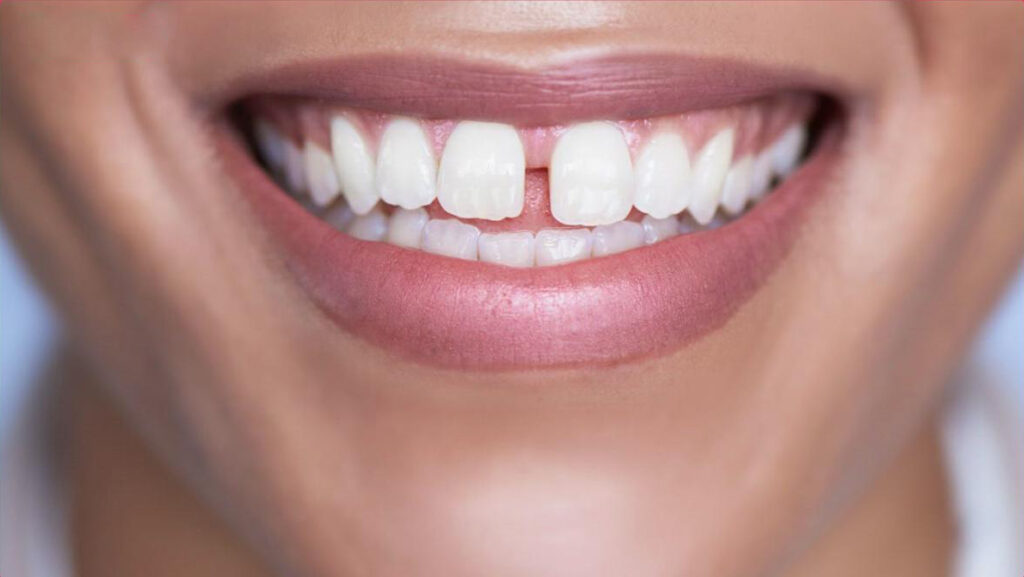
The diastema, A gap is the space between two teeth. It can appear anywhere in the mouth, but most often between the two front teeth. Its size varies from person to person: the larger the gap, the greater the need for special attention.
It's not just a question of aesthetics. If left untreated, a diastema can, over time, lead to more serious dental problems: poor occlusion, premature wear of teeth, difficulty chewing and gum problems.
Are you still neglecting your diastema? We'll explain why you should seek professional help immediately. Dental gaps not only make people suffer from low self-esteem and tire of their smile, but the consequences of dental gaps go far beyond aesthetics.
If left untreated, diastema can lead to serious dental complications such as
- Tooth decay
-Makes it difficult to do a good job
-oral hygiene
-Possible headaches
-Gum disease
-Affects the position of other teeth

Causes of gaps between teeth
Many factors can contribute to a person suffering from a gap or diastema. Here are some of the most common causes of tooth gap that you should be aware of

Advanced gum disease
if you suffer from gum disease, it's possible that your condition is damaging the tissues and bones of your teeth, causing them to loosen from their roots and form gaps.
Large ash
A frenum is the soft tissue that lies between your upper teeth and the gum line. If you were born with an abnormally large frenum, this could cause a gap to form between your two upper front teeth.
How to treat tooth gap?
In children, the diastema (gap between the teeth) often corrects itself naturally as the permanent teeth grow and erupt. In adults, the gap between the teeth does not disappear on its own. The most modern and effective solution is the use of transparent aligners. Our made-to-measure aligners progressively close the space between teeth, while offering comfort, precision and discretion.